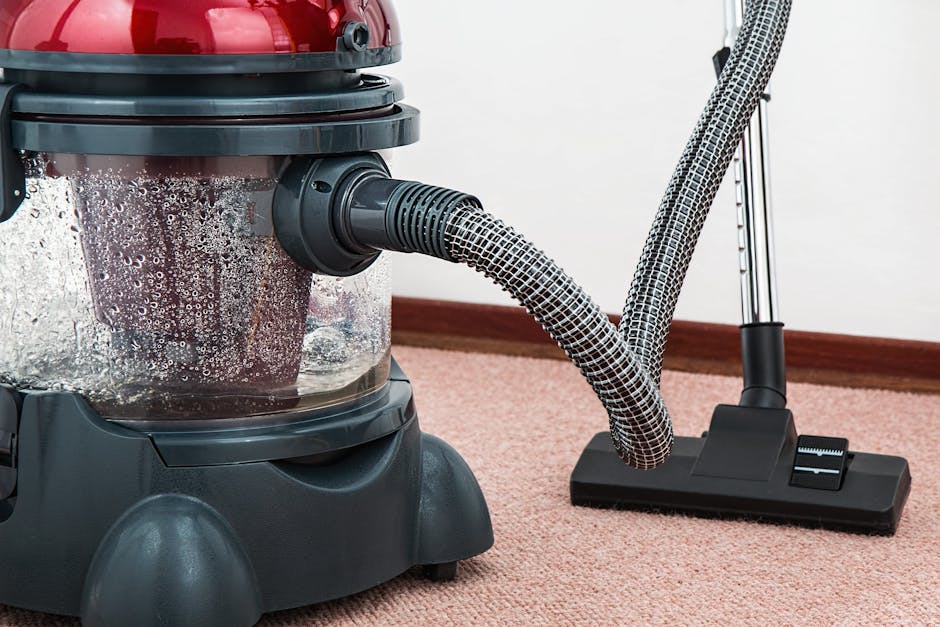
Common problems with steam carpet cleaning in N19 and fixes
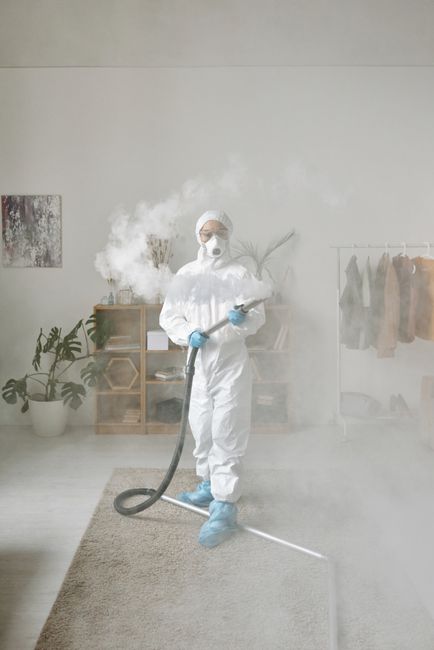
Steam carpet cleaning can transform a tired room in one visit, but it is not always as straightforward as it sounds. If you live or work in N19, you may have already seen the awkward side of it: carpets staying damp too long, stains coming back, a faint smell after cleaning, or even fibres looking a bit rough once everything dries. Truth be told, those issues are common enough that they deserve proper attention.
This guide breaks down the common problems with steam carpet cleaning in N19 and fixes in plain English. You will see why they happen, how to prevent them, and what a good result should look like. We will also cover when steam cleaning is the right choice, when another method may suit better, and what to check before you book a service from a local provider such as steam carpet cleaning or broader carpet cleaning help. Simple enough on paper, but in real homes the details matter.
If you have pets, children, a rental deadline, or a busy household with shoes constantly in and out by the front door, these small details make the difference between a fresh carpet and a frustrating one.
Why Common problems with steam carpet cleaning in N19 and fixes Matters
N19 properties are a mixed bag. You get older Victorian terraces, compact flats, converted homes, busy shared hallways, and commercial spaces with heavy foot traffic. That variety is exactly why steam carpet cleaning can go very right, or very wrong, depending on the carpet type, the level of soiling, ventilation, and the operator's approach.
Why does that matter? Because when steam cleaning is done poorly, the visible problem is only half the issue. Under-drying can encourage lingering odours, reappearing stains, and in some cases mould risk around skirting boards or under furniture. Over-wetting can also leave carpets feeling stiff or attract dirt faster than before. Not ideal. Nobody wants to pay for a clean that seems to invite more mess.
In a busy N19 household, the practical impact is obvious. Children are back on the floor in an hour. A hallway needs to be open by morning. A rented flat must be ready for inspection. A shop or office needs a clean that looks good without disrupting work. So the real value of understanding these common issues is not just tidiness; it is avoiding wasted time, repeat work, and avoidable damage.
There is also a trust angle. A proper cleaner should explain the method, set realistic drying expectations, and assess your carpet before starting. If they do not, that is a small red flag. Not a dramatic one, but enough to pause and ask questions.
If you want to cross-check the wider service offer before booking, it can help to look at the company's related pages such as pricing and quotes, about us, and insurance and safety. Those pages do not clean the carpet for you, obviously, but they do help you judge whether the provider is organised and transparent.
How Common problems with steam carpet cleaning in N19 and fixes Works
Steam carpet cleaning is often used as a shorthand for hot water extraction. In plain terms, heated water and cleaning solution are applied under pressure, agitated through the carpet fibres, then extracted along with loosened dirt, grease, and residue. Despite the name, the process usually uses hot water rather than true steam blasting through the pile.
That distinction matters. Actual steam can be too aggressive for some fibres, while hot water extraction is more controlled when used properly. The machine, the cleaning chemistry, the dwell time, the pressure, and the extraction rate all influence the result. If one of those is off, problems start creeping in.
Here is the basic flow:
- Inspect the carpet type, backing, stains, and wear.
- Vacuum thoroughly to remove loose grit.
- Pre-treat spots and traffic lanes.
- Apply heated solution and agitate gently where needed.
- Extract as much moisture as possible.
- Speed up drying with airflow and sensible room conditions.
Most common issues with steam carpet cleaning come from one of three things: too much water, too much heat, or too little extraction. Sometimes it is chemistry too, especially if the wrong detergent is used for wool, synthetic pile, or a stain that needs specialised treatment. In our experience, many poor results are less about "steam" itself and more about poor preparation or rushing the job.
For heavily soiled rooms, a deeper clean can sometimes make more sense than a quick pass. That is where a broader service like deep cleaning can fit in, especially where carpets are part of a wider reset after building work, tenant turnover, or a long stretch of neglect.
Key Benefits and Practical Advantages
When steam carpet cleaning is done well, the upside is real. You get a much fresher surface, better lift from embedded dirt, and a cleaner finish than light vacuuming or surface shampoo alone can usually achieve.
- Deep soil removal: The method reaches down into the pile, not just the top layer.
- Better stain release: Food spills, tracked-in grime, and everyday marks often respond well.
- Odour reduction: Useful for pet smells, moisture odours, and stale room smells.
- Improved appearance: Traffic lanes can look less grey and more even.
- Hygiene boost: A cleaner fibre surface is valuable in family homes and commercial settings alike.
The main practical advantage is that a successful clean can extend carpet life. Dirt acts like sandpaper. Remove more of it, and fibres usually wear more slowly. That is particularly helpful in hallways, stairs, offices, and other areas with constant footfall.
Still, the benefit only holds if the carpet is suitable for the method. Wool, blends, loop pile, and older fitted carpets all have different tolerance levels. A good cleaner should know where steam cleaning is helpful and where a gentler approach may be safer. If you are cleaning a rug instead of wall-to-wall carpet, you may want to compare the options with rug cleaning or, where the issue is more about individual marks, stain removal.
Who This Is For and When It Makes Sense
This topic matters to almost anyone with fitted carpet, but some people feel the pain more quickly than others.
- Homeowners: Especially if children, pets, or frequent guests keep the carpet under pressure.
- Landlords and tenants: End-of-tenancy timing can make drying and stain revision a headache.
- Office managers: A clean carpet matters in reception areas and meeting rooms.
- Airbnb and short-let hosts: Fast turnaround and appearance are everything.
- Property managers: Shared spaces need predictable, low-disruption results.
It makes sense when the carpet is generally sound but dirty, dull, or carrying everyday odours. It may be less suitable when the carpet is delicate, backing is unstable, the room has poor ventilation, or there is a history of water damage. In those cases, a smaller test area or a different method may be the sensible route.
For homes in transition, steam carpet cleaning often sits alongside other services. A flat getting ready for new occupants may need end of tenancy cleaning, while someone moving in may pair carpet work with move in cleaning. A busy office could combine it with office cleaning. The point is simple: the carpet is rarely the only thing that needs attention.
Step-by-Step Guidance
If you want fewer problems and better results, the process matters. Here is a practical way to approach it.
1. Identify the carpet type
Start with the fibres and backing. Wool, wool blends, synthetic fibres, and older glued carpets do not all behave the same. If you are unsure, treat the carpet as sensitive until it proves otherwise. That sounds cautious because it is.
2. Test a hidden area
A small test patch helps reveal colour bleed, texture change, or excessive fibre response. It only takes a minute and can save a lot of grief. Especially in older N19 homes, where carpets may have been fitted years apart or patched after repairs.
3. Vacuum properly
This sounds basic, but it is one of the biggest difference-makers. If dry grit is left in place, the steam pass turns it into sludge. The clean will look better at first, then go patchy as residue comes back to the surface.
4. Pre-treat problem areas
Traffic lanes, food spills, and pet spots often need targeted treatment before extraction. A one-size-fits-all pass is usually why stains reappear. For pet-related issues, pet stain odour removal is often more appropriate than a general wash.
5. Use the right moisture level
Over-wetting is one of the biggest causes of complaints. The goal is controlled moisture, not a soaked carpet. A good technician balances heat, pressure, and extraction so the carpet is damp, not waterlogged.
6. Dry the room properly
Open windows where practical, keep airflow moving, and avoid replacing heavy furniture too soon. If possible, use fans or dehumidification to speed things up. A carpet that dries badly can develop odours or flatten in odd places.
7. Check the finish after drying
Once dry, inspect the pile direction, edges, stain return, and smell. A room can look fine while still holding moisture in the underlay. That is the bit people miss. Then, the next morning, it smells a touch musty and nobody wants that.
Expert Tips for Better Results
There are a few small habits that separate decent results from disappointing ones.
- Work from the cleanest area to the dirtiest. It helps prevent spreading grime around the room.
- Do not scrub stains aggressively. You can distort the pile or push the mark deeper.
- Deal with spill residue before steam cleaning. Sticky drinks and oils often need pre-treatment.
- Lift furniture where safe. Cleaning under edges helps avoid dark borders and uneven drying.
- Match chemistry to fibre. Wool-safe solutions are not optional on sensitive carpets.
- Give drying priority over speed. A slightly longer appointment is better than a rushed finish.
One practical point people overlook: the weather. On a damp January afternoon in London, drying can be slower than expected. On a breezier spring morning with windows open, the same room may be ready much faster. Small difference, big outcome.
If your carpet is part of a wider fabric and upholstery refresh, it can make sense to coordinate with upholstery cleaning or sofa cleaning. Otherwise you clean one surface beautifully and the room still feels halfway done. Bit frustrating, that.
Common Mistakes to Avoid
Most steam-cleaning headaches come from a short list of avoidable mistakes.
- Using too much water: This leads to long drying times and can damage underlay or backing.
- Skipping vacuuming: Grit turns the process muddy and reduces the finish quality.
- Applying generic stain remover to everything: Some spots need acidity, others need alkalinity, and some need professional judgement.
- Cleaning delicate carpets at full heat: Heat sensitivity is real, especially with older or natural-fibre carpets.
- Ignoring room ventilation: Drying is part of the job, not an afterthought.
- Replacing furniture too soon: Heavy items can leave marks or trap moisture.
- Assuming every stain is permanent: Many are recoverable with the right sequence. Many, not all.
A good rule of thumb: if the carpet looks wet enough to squelch, something went wrong. If it feels slightly damp and is drying steadily, you are probably on track.
Another common miss is ignoring odour sources outside the carpet itself. Sometimes the smell is coming from underlay, skirting gaps, pet accidents below the pile, or nearby soft furnishings. In those cases, steam cleaning alone may help, but it may not solve the whole problem. You may need a broader reset, or at least to treat the room as a system rather than a single surface.
Tools, Resources and Recommendations
You do not need a van full of fancy kit, but the right tools make a difference. For most carpets, the essentials are straightforward:
- a strong vacuum cleaner with decent suction
- a carpet extraction machine with controlled heat
- microfibre cloths for spot work
- appropriate pre-spray or stain treatment
- air movers or practical ventilation for drying
- protective pads for furniture legs
For residents and landlords who want a cleaner layout or a broader refresh, related services can help. A newly painted room after renovation may benefit from after builders cleaning, while a general reset before a big weekend move may be better suited to one off cleaning. If the whole property needs a more regular rhythm, regular cleaning can keep soils from building up in the first place.
On the trust side, it is worth looking at how a company handles practical matters like payment and security, their terms and conditions, and whether they set out clear complaint handling through a visible complaints procedure. Not glamorous, sure, but these details tell you a lot about the outfit.
Law, Compliance, Standards, or Best Practice
This topic is not heavily regulated in the way gas or electrical work is, but sensible UK best practice still matters. A professional cleaning business should work safely, protect customers' property, and use cleaning methods that are appropriate for the surface being treated. That includes clear communication about drying times, chemical use, access needs, and any temporary disruption.
From a practical standpoint, the basics are:
- risk assess the job before starting
- use products according to the manufacturer guidance
- avoid causing slips, excessive moisture, or trip hazards
- respect customer property and privacy
- handle waste water and residues responsibly
If you are booking for a shared building, a managed office, or a rented property, it is also sensible to think about building rules, access arrangements, and occupant safety. That is where pages like health and safety policy and recycling and sustainability can help you understand how a provider thinks about the job beyond the visible result.
One simple best-practice point for customers: ask how the cleaner handles stubborn marks, wool carpets, and drying. If they answer clearly, good sign. If they wave it away with a breezy "it'll be fine," maybe not so good.
Options, Methods, or Comparison Table
Steam carpet cleaning is useful, but it is not the only option. Here is a quick comparison of common approaches.
| Method | Best for | Strengths | Watch-outs |
|---|---|---|---|
| Steam / hot water extraction | Deep soil, general refresh, pet odours | Strong clean, good rinse, excellent for embedded dirt | Drying time, moisture control, not ideal for every fibre |
| Dry compound cleaning | Delicate carpets, low-moisture needs | Fast turnaround, less water | May not reach as deep into the pile |
| Spot treatment only | Small stains, isolated marks | Targeted, quick, low disruption | Does not refresh the whole carpet |
| Professional deep clean | Heavily soiled rooms, move-outs, post-build | More complete reset across multiple surfaces | Usually needs more time and planning |
In many N19 homes, the best answer is not "steam or nothing." It is choosing the right method for the carpet's condition and the time available. A landlord prepping a flat for new tenants may need speed. A family home with tracked-in dirt and pet smells may need extraction. Different problems, different fix. Sounds obvious, but it is where a lot of bad decisions start.
Case Study or Real-World Example
Picture a ground-floor flat near a busy local road. The hallway carpet looks grey at the edges, the lounge has a dark patch by the sofa, and there is a mild dog odour that gets stronger on damp days. The owner books a steam clean expecting everything to vanish in one go.
On inspection, the cleaner finds the carpet is synthetic but quite heavily compacted in traffic areas. The lounge stain is not fresh; it has a detergent residue ring around it from a previous DIY attempt. The dog odour seems to sit partly in the carpet and partly in the underlay near one spot by the door.
Instead of one quick pass, the cleaner:
- vacuumed thoroughly
- pre-treated the traffic lanes
- treated the stain separately before extraction
- used controlled moisture rather than over-wetting
- added airflow for drying
The result was not magical, because real life rarely is. But the hallway brightened noticeably, the lounge mark reduced by a lot, and the smell dropped to a level the owner could live with. The last bit mattered most. Not perfection, just a proper improvement.
That kind of result is typical when the problem is approached in the right order. The fix is often not "more heat." It is usually better assessment, better prep, and better drying.
Practical Checklist
Use this checklist before and after steam carpet cleaning.
- Vacuum the carpet thoroughly before cleaning.
- Identify any wool, delicate, or older carpet sections.
- Test a hidden patch first if you are unsure.
- Pre-treat stains rather than hoping extraction alone will solve them.
- Keep water use controlled and even.
- Open windows or use airflow to improve drying.
- Do not walk on the carpet too early if you can avoid it.
- Move furniture back only once the carpet is properly dry.
- Check for smell, stain return, and pile flattening the next day.
- Contact the cleaner if something looks off rather than waiting it out indefinitely.
Quick takeaway: most steam carpet cleaning problems in N19 come from moisture control, poor preparation, or choosing the wrong approach for the fibre. Fix those three things and the outcome improves fast.
Get a free quote today and see how much you can save.
Conclusion
Steam carpet cleaning can be excellent, but only when it is matched to the carpet, the room, and the real-world conditions inside the property. In N19, that often means older buildings, tighter rooms, mixed carpet types, and not much patience for long drying times. So the common problems are not random. They are predictable, and that is good news, because predictable problems can be fixed.
If you remember nothing else, remember this: the best results come from careful inspection, correct pre-treatment, sensible moisture use, and proper drying. Those four things solve most complaints before they start. And if the carpet needs a broader approach, a good cleaner will say so plainly rather than forcing one method onto every job. That kind of honesty is worth a lot.
When the job is done properly, the room feels calmer. Cleaner. Just easier to live in. And to be fair, that is what most people wanted in the first place.
Frequently Asked Questions
Why does my carpet still smell after steam cleaning?
Persistent smell usually means the odour source was deeper than the surface fibres, or the carpet did not dry properly. It can also come from underlay, skirting edges, or pet contamination beneath the pile. A second targeted treatment may be needed.
How long should a carpet take to dry after steam cleaning?
Drying time varies with ventilation, pile thickness, humidity, and how much water was used. A well-controlled clean should dry noticeably faster than an over-wet one. If the room still feels damp much later than expected, ask for advice.
Can steam cleaning damage my carpet?
Yes, if the wrong heat, chemistry, or moisture level is used. Delicate fibres, loose seams, and older backing can be vulnerable. That is why inspection and a small test patch matter.
Why do stains come back after steam cleaning?
This is often called wicking. Dirt or stain residue trapped deeper in the pile or underlay moves back up as the carpet dries. Proper pre-treatment, thorough extraction, and controlled drying reduce the chance of it happening.
Is steam carpet cleaning good for pet stains?
It can help, but pet stains often need a dedicated treatment because the issue is not just visible marking. Odour and contamination can sit deeper in the carpet structure. A specialist approach is usually better.
What is the biggest mistake people make with steam cleaning?
Over-wetting is probably the most common mistake. It leads to long drying times, odours, and an unhappy finish. Skipping vacuuming and using the wrong product run close behind.
Should I move furniture before the cleaner arrives?
It helps, but only if the furniture is light enough and easy to move safely. Heavy items, fragile legs, or bulky wardrobes are best discussed first. Sometimes leaving them in place is safer.
Can steam cleaning remove old traffic lanes?
Often it can improve them a lot, but deep wear is not the same as dirt. If fibres are permanently crushed or worn, cleaning will brighten the area yet not fully restore the texture. That is normal, even if a bit annoying.
Is steam carpet cleaning suitable for rental properties in N19?
Yes, especially where there is general soiling, guest use, or end-of-tenancy prep. It is popular because it provides a deep clean, but it should be timed so the property has enough drying time before handover.
Do I need any special preparation before a carpet clean?
Clear small items, vacuum if requested, and point out stains, pet issues, or problem areas. If there are access constraints, parking issues, or delicate carpets, mention them early. It saves everyone time.
How can I tell if a carpet cleaner knows what they are doing?
They should ask about fibre type, stains, access, drying, and any previous cleaning products used. They should also explain the method clearly and set sensible expectations. If the answer is vague, that is worth noting.
What should I do if the carpet feels sticky after cleaning?
Sticky residue usually means too much detergent or incomplete extraction. Light rinsing may help, but the cleaner should be asked to inspect it. A sticky finish can attract dirt quickly if left alone.
Is steam cleaning better than dry cleaning?
Neither is automatically better. Steam cleaning is often stronger for deep soil and embedded grime, while dry methods may suit delicate carpets or tight drying windows. The right choice depends on the carpet and the situation.
What if I need carpets cleaned alongside other rooms or surfaces?
That is common. Many customers pair carpets with services such as house cleaning, domestic cleaning, or communal area cleaning when they want the whole property to feel refreshed rather than just one room.