Islington Council rules for upholstery cleaning waste disposal: a practical guide for households, landlords, and cleaning professionals
If you have just finished an upholstery clean and are staring at a bucket of dirty wastewater, a pile of used cloths, or a sofa cover that has seen better days, you are not alone. The question of Islington Council rules for upholstery cleaning waste disposal comes up more often than people expect, especially when cleaning is happening in flats, shared homes, rental properties, or busy commercial spaces where waste has to be handled properly and quickly.
In plain English, this topic is about what you can pour away, what you should not, how to deal with solid waste from upholstery cleaning, and how to stay on the right side of local expectations and UK waste duties. The rules are not usually complicated, but the devil is in the details. Get it wrong and you may end up with blocked drains, a mess in communal bins, or a disposal trail that would not look great if someone asked questions later.
This guide breaks everything down clearly: what counts as upholstery cleaning waste, how disposal normally works, what best practice looks like in an Islington setting, and where people most often trip up. We will also cover compliance, practical checklists, and the real-world choices that make the whole process easier. If you want a local-friendly, sensible approach rather than guesswork, you are in the right place.
- Why these waste rules matter
- How upholstery cleaning waste disposal works
- Key benefits of disposing waste correctly
- Who needs this guidance
- Step-by-step disposal guidance
- Expert tips for cleaner, safer results
- Common mistakes to avoid
- Tools, resources and recommendations
- Law, compliance and best practice
- Options and comparison table
- Real-world example
- Practical checklist
- Conclusion
- Frequently asked questions
Why Islington Council rules for upholstery cleaning waste disposal Matters
Waste from upholstery cleaning looks harmless at first glance, but it can create problems fast. Dirty wastewater may contain detergents, soil, grease, pet residue, dust, and fibres. Used pads, cloths, and pre-treatment wipes can also hold contaminants that should not be tossed around carelessly. In a borough like Islington, where many properties are flats, basements, and converted buildings, poor disposal can become a shared nuisance rather quickly.
The practical reason this matters is simple: clean-up does not end when the sofa looks fresh. If the waste is handled badly, you can end up with smells, staining in communal areas, drainage issues, or complaints from neighbours. And let's face it, nobody wants a freshly cleaned armchair to be followed by a not-so-fresh hallway.
There is also a professionalism angle. For cleaners, landlords, facilities managers, and tenants at the end of a tenancy, proper disposal shows care and competence. It tells people you understand both hygiene and local expectations. If you're already planning wider household or tenancy cleaning, it can help to look at related services such as end of tenancy cleaning in Kentish Town or domestic cleaning support in Kentish Town for the broader context around a property reset.
Key point: waste disposal is not just about convenience. It affects hygiene, drainage, neighbour relations, and whether your cleaning job looks properly managed from start to finish.
How Islington Council rules for upholstery cleaning waste disposal Works
Most upholstery cleaning waste falls into a few basic categories. The exact handling will depend on what the waste is, how contaminated it is, and whether it is liquid or solid. This is where people often overthink it or underthink it. Both are common, oddly enough.
1. Wastewater from extraction cleaning
Water recovered from an extraction machine or wet clean is usually dirty enough to count as wastewater, even if it looks only slightly cloudy. The usual approach is to collect it in a dirty-water tank and empty it carefully into an appropriate foul-water disposal point, if permitted and suitable. What you should not do is assume that any outdoor drain, surface drain, or random kerbside outlet is fair game. In many places, surface drains are not intended for this kind of waste.
2. Used cloths, pads, and disposable materials
These are generally handled as contaminated cleaning waste. If they are lightly soiled and not carrying anything hazardous, they are commonly bagged and placed in the relevant waste stream. If they are heavily saturated with cleaning chemicals or bodily fluids, a more cautious approach is needed. The sensible rule is simple: when in doubt, treat it as contaminated until it is clearly not.
3. Removed upholstery items and trim
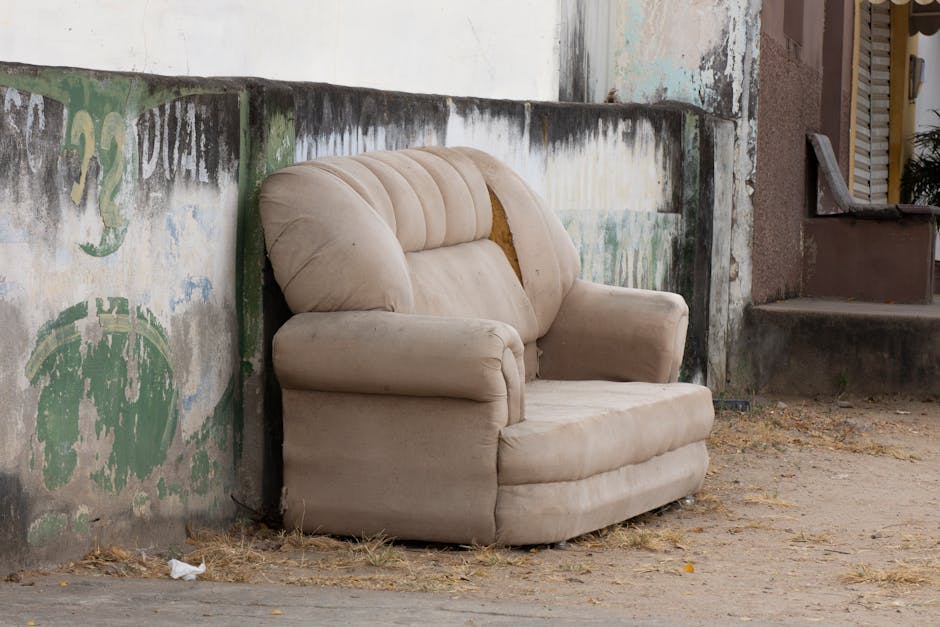
Sometimes a clean reveals damaged fabric, broken foam, old covers, or fittings that need disposal. These are usually treated as bulky household or commercial waste, depending on the setting. A sofa cushion inner is not the same as a tea towel, and the disposal route should reflect that. If you are handling a full replacement as part of a property refresh, you may also find it useful to read a sofa cleaning results case study to understand how much can be saved before resorting to replacement.
4. Chemical containers and product residues
Empty chemical bottles, spray trigger packs, and concentrated product containers may need separate handling depending on label guidance and local waste collection rules. Do not rinse and dump automatically. Read the label. If a product is meant to be disposed of as a specific waste type, follow that instruction. It sounds basic, but basics are where most mistakes happen.
In practice, upholstery waste disposal works best when you separate streams early: liquid waste, general waste, recyclable packaging, and anything that needs special handling. That one small habit saves time later.
Key Benefits and Practical Advantages
Correct waste disposal might not sound glamorous, but it pays off in very real ways. You notice it most when things go smoothly: no leaks, no arguments, no blocked bins, no odd smell rising from the alley at 7am. That kind of quiet success is worth quite a lot.
- Cleaner homes and communal areas - less risk of spillages or residue in shared spaces.
- Better hygiene - dirty water and used materials are handled before they become a problem.
- Lower risk of drainage issues - important in older Islington buildings where plumbing can already be sensitive.
- Fewer complaints - especially in flats, mansion blocks, and managed properties.
- More professional service delivery - clients notice when the end of the job is as neat as the beginning.
- Reduced waste mishandling risk - a simple system keeps everyone aligned.
There is also a financial angle. Messy disposal can create avoidable extra work, extra time, and sometimes extra charges. If you are trying to compare cleaning quotes sensibly, it helps to understand how disposal and site clean-up are included. A useful companion read is how to avoid hidden charges in cleaning quotes, because waste handling is one of those areas where vague wording can become expensive later.
For landlords and agents, the benefit is consistency. If the cleaning team follows a predictable waste process, inspections are easier, tenant turnover is faster, and the property feels genuinely ready rather than half-finished.
Who This Is For and When It Makes Sense
This guidance is useful for more people than you might think. It is not only for professional cleaners with vans full of gear. It also matters to anyone cleaning upholstery in a home, flat, office, or rented property where waste has to be removed responsibly.
Households and tenants
If you are cleaning a sofa after a spill, a dining chair after years of family life, or a mattress as part of a room refresh, you will probably generate wastewater and soiled cloths. Knowing what to do with them avoids the awkward end-of-job moment where the clean part is done but the mess is still sitting there.
Landlords and letting agents
End-of-tenancy turnaround can be frantic. Waste needs to be dealt with quickly, cleanly, and in line with building rules. In smaller blocks, even a single bag left beside the bin store can cause friction. If you are coordinating wider property prep, the details on property investment and upkeep can be surprisingly relevant because maintenance habits and waste control usually go hand in hand.
Cleaning businesses
For operators, waste disposal is part of the service standard. It affects insurance, customer trust, health and safety, and the repeatability of your work. A good cleaning job can be undermined by sloppy disposal in about two minutes. Not ideal.
Offices, shared workspaces, and venues
Commercial upholstery tends to be cleaned around people, equipment, and fixed routines. Waste management therefore needs planning. If you're looking at broader building care, it can help to compare with office cleaning support and how waste is usually handled in occupied workplaces.
In short: if you generate dirty water, contaminated cloths, or replaced fabric components, this topic matters to you.
Step-by-Step Guidance
Here is the practical bit. This is the process we would expect a careful cleaner or organised homeowner to follow. It is not fancy. It is just sensible.
- Identify the waste type. Separate wastewater, reusable tools, disposable wipes, packaging, and bulky damaged items.
- Check product labels. Some upholstery cleaners, spot removers, and stain treatments have specific disposal instructions.
- Keep dirty water contained. Use the machine tank or a sealed container until you can dispose of it safely.
- Avoid pouring into the wrong drain. Do not assume an outside drain is acceptable. Check the setting first.
- Bag solid waste securely. Double-bag if the cloths are heavily soiled or wet, and keep them separate from recyclables.
- Protect shared areas. Carry waste carefully through hallways, lifts, and communal entrances.
- Clean the disposal area. Rinse, wipe, and leave no residue behind. This is the bit that people appreciate most.
- Document if needed. For commercial or rental work, a simple note of what was removed can prevent disputes later.
If the job involves more than basic spot cleaning, such as full sofa restoration or mattress treatment, planning the waste stage before the work begins is wise. The more liquid and debris you create, the more important it is to have a disposal route ready. Truth be told, that is where many rushed jobs fall apart.
A practical approach is to set up two zones: a clean working zone and a waste zone. It sounds overly neat, but once the job gets going, the difference is huge. Fewer cross-contaminated cloths. Less drips. Less faff.
Expert Tips for Better Results
Small habits make waste disposal much easier. A lot easier, actually. Most of them are just about control and sequence.
- Use labelled containers. One for dirty water, one for clean solution, one for dry waste. Simple, but effective.
- Carry absorbent cloths or spill pads. Even a tiny spill on stairs can become a big nuisance.
- Empty tanks before they are overfilled. Overfilling leads to splashes, and splashes become someone else's problem.
- Keep a lined waste bag on site. It makes the end of the job much tidier.
- Respect building rules. Many blocks and managed properties have bin store arrangements that should not be improvised.
- Think ahead about access. Narrow stairs and older doorways in Islington can turn a simple waste carry into a balancing act.
One detail that gets overlooked: timing. If you are cleaning in a busy household, avoid carrying waste through peak movement times. Mid-morning or early afternoon can be calmer. Early evening? That is usually when everyone suddenly needs the hallway at once.
For jobs where speed matters, such as spill recovery or last-minute move-out cleaning, it can help to review same-day cleaning guidance because the waste process is often compressed and mistakes happen when people rush.
Common Mistakes to Avoid
Most waste problems after upholstery cleaning come from a handful of recurring mistakes. Avoid these and you are ahead of the game.
- Pouring wastewater into the wrong drain. This is the classic error. If you are unsure, stop and check.
- Leaving wet cloths in sealed bags for too long. Smell builds quickly, especially on warm days.
- Mixing general waste with recyclable packaging. Once contamination spreads, recycling options shrink.
- Ignoring product instructions. Some cleaners need special disposal and some do not. The label matters.
- Using bins that are not yours. In shared properties, that can create immediate friction. Understandably so.
- Skipping the final tidy-up. Even tiny splashes can leave a bad impression.
Another common issue is assuming that because the waste came from a domestic job, it must be harmless. Not always. Dirty water can still contain enough residue to clog or stain if it is dumped carelessly. Think in categories, not assumptions. That's the better habit.
Tools, Resources and Recommendations
You do not need a van full of specialist kit to manage upholstery cleaning waste properly, but a few practical tools make the process much smoother.
| Tool or item | What it helps with | Best use case |
|---|---|---|
| Dirty-water tank or sealed bucket | Containing wastewater safely | Extraction cleaning and wet stain removal |
| Heavy-duty bin bags | Holding used cloths and pads | Small domestic and commercial jobs |
| Disposable gloves | Reducing hand contact with contaminated waste | Any job with wet or dirty residues |
| Absorbent cloths or towels | Capturing drips and small spillages | Staircases, hallways, lifts, and tight spaces |
| Labelled containers | Keeping clean and dirty materials separate | Longer or multi-room cleaning jobs |
For readers comparing broader cleaning services, it is also useful to understand how waste handling fits into the whole service offer. A straightforward place to start is the services overview, which helps show how different cleaning tasks can be grouped and managed together.
If you are planning a clean as part of a larger household reset, the article on real cleaning cost guides may also be helpful because waste handling often affects the final scope more than people expect.
Law, Compliance, Standards, or Best Practice
This area needs careful wording. Specific council instructions can change, and waste rules depend on the type of waste, the property setup, and the collection route available. So rather than pretending there is one universal answer, the safest approach is to follow recognised UK waste principles and any local instructions that apply to your building or collection arrangement.
In practice, that means:
- do not dispose of liquid waste where it could pollute land or water;
- keep contaminated materials separated from ordinary recycling unless they are clearly suitable;
- use approved waste streams where required;
- follow product label instructions for chemicals and detergents;
- keep disposal records where a commercial job or managed property may need them.
For businesses, health and safety also come into play. Wet floors, lifting bulky waste, and carrying containers through public or shared areas all create practical risk. A good cleaner will think about slips, spills, and safe handling before a problem turns up. If you are choosing a provider, it is worth checking their health and safety approach and, if relevant, their insurance and safety information.
Best practice is usually more important than trying to memorise every possible disposal variation. Keep waste contained, identify the waste type, and avoid improvised shortcuts. That alone will put you in a much safer position.
Options, Methods, or Comparison Table
When people ask how to handle upholstery cleaning waste, they are usually choosing between a few practical methods. The right one depends on volume, access, and the type of property. Here is a simple comparison.
| Method | Best for | Pros | Limitations |
|---|---|---|---|
| Contained wastewater tank disposal | Extraction cleaning | Controlled, tidy, easy to manage | Needs suitable emptying point and care |
| Bagged general waste removal | Cloths, pads, light debris | Simple and familiar | Must avoid overfilling or leaks |
| Separate disposal for chemical containers | Product packaging and residues | Reduces contamination risk | Needs label checking and sorting |
| Bulky waste route | Damaged upholstery components | Suitable for larger or awkward items | May require booking or extra handling |
There is no magic method that fits every job. A small armchair freshen-up in a flat is not the same as a full commercial sofa extraction in a shared workspace. The sensible choice is the one that keeps waste contained, complies with the site rules, and does not make life harder for everyone afterwards.
Case Study or Real-World Example
Here is a realistic scenario. A tenant is moving out of a top-floor flat in Islington. The sofa has been cleaned after a drink spill, the carpets are fine, and a few cloths and wipes have been used. The cleaning itself takes under an hour, but the waste could still create problems if handled badly.
Instead of pouring the wastewater into the nearest outside drain, the cleaner keeps it in a sealed tank until it can be emptied into the correct disposal point. Used cloths go into a lined bag. Wet wipes are kept separate from recyclables. The communal hallway is left dry. The bin store is not used for anything that does not belong there. Nothing dramatic. Just calm, careful work.
That is usually what good waste handling looks like in the real world. Not perfection. Just a tidy, defensible process that prevents little problems turning into bigger ones. And, to be fair, it gives the client a much better impression of the whole service.
If the property is also being prepared for sale or a new tenancy, you may find the wider move-out context useful in the home selling guide, because presentation and cleanliness often overlap in practical ways.
Practical Checklist
Use this quick checklist before and after an upholstery cleaning job. It is simple, but it catches most of the usual slip-ups.
- Identify all waste before starting the job.
- Check labels on cleaning products and spot removers.
- Prepare bags, cloths, and a sealed container for wastewater.
- Confirm where wastewater can be emptied safely.
- Keep solid waste separate from recyclable packaging.
- Double-bag heavily soiled materials if needed.
- Protect floors and shared areas during waste movement.
- Wipe down disposal surfaces and remove any residue.
- Make a note of any unusual waste or property-specific restrictions.
- Do a final walk-through before you leave the site.
Expert summary: if you keep waste streams separate, avoid guesswork on drains, and clean up the final touchpoints, you will already be ahead of many rushed jobs.
If you are comparing services or planning a bigger clean, our upholstery cleaning service page may help you understand how a professional team typically handles the whole process from start to finish.
Get a free quote today and see how much you can save.
Conclusion
The core lesson is straightforward: Islington Council rules for upholstery cleaning waste disposal are less about memorising a single rule and more about using sensible, lawful, and tidy waste practices. Treat dirty water as wastewater, separate contaminated materials from ordinary rubbish, respect shared property rules, and avoid casual drainage shortcuts. That approach keeps your job cleaner, safer, and far less stressful.
Whether you are a tenant, landlord, homeowner, or cleaning professional, the best results usually come from a simple plan and a bit of discipline. Nothing fancy. Just careful habits that protect the property and everyone in it.
In the end, good waste disposal is part of good cleaning. It is the quiet finishing touch that makes the whole job feel properly done.
Frequently Asked Questions
What counts as upholstery cleaning waste?
It usually includes dirty wastewater, used cloths or pads, disposable wipes, packaging from cleaning products, and any removed damaged upholstery parts or trim.
Can I pour upholstery cleaning wastewater down any drain?
No, not automatically. You should only dispose of wastewater in a way that is suitable for the site and consistent with local waste and drainage expectations. Do not assume an outside drain is acceptable.
Do used cloths and wipes need special disposal?
Often they can go in general waste if they are not hazardous, but heavily contaminated materials should be handled more carefully. Keep them bagged and separate from recyclable waste.
Are upholstery cleaning chemicals classed as hazardous waste?
Not always. It depends on the product and how much remains. Always check the label and follow the manufacturer's disposal guidance before treating it as ordinary waste.
What should tenants do after a sofa or chair clean?
Keep waste contained, avoid using communal bins without permission, and make sure no dirty water is left in hallways, stairwells, or shared spaces. A tidy exit matters.
How should landlords handle waste during end-of-tenancy cleaning?
Landlords should make sure the cleaning plan includes where waste will go, who is responsible for it, and whether the building has any specific bin-store or access rules.
Is it okay to leave waste in a communal bin room?
Only if it is allowed by the property rules and the waste is correctly bagged and suitable for that bin stream. If in doubt, do not leave it there.
What if the upholstery clean creates a lot of dirty water?
Use a contained tank or bucket system, empty it in a suitable place, and avoid carrying open liquid through the property. Large volumes need a bit more planning, that's all.
Do professional cleaners need to document waste disposal?
For commercial jobs, managed properties, or more formal contracts, a simple record can be very useful. It helps with accountability and avoids disputes later.
How do I know if my disposal method is compliant?
Check the waste type, follow product labels, respect any site rules, and use recognised good practice for wastewater and contaminated materials. If a situation feels borderline, it is safer to pause and verify than to guess.
Does upholstery cleaning waste disposal affect the final price?
It can. More waste, more labour, or awkward access may affect the scope of the work. That is why clear pricing matters, especially when comparing quotes.
Where does upholstery cleaning fit within a broader home clean?
It usually sits alongside carpet care, mattress cleaning, and general domestic refresh work. If you want to see how that broader service mix is organised, the house cleaning service and related cleaning pages can help you compare options.